NASA Student Launch Challenge
Since our founding, we have competed in the NASA Student Launch Challenge, building at least one full-scale rocket each year. Along the way, we’ve also designed and flown a variety of payloads and sub-scale rockets.
2025 – Pelicantor
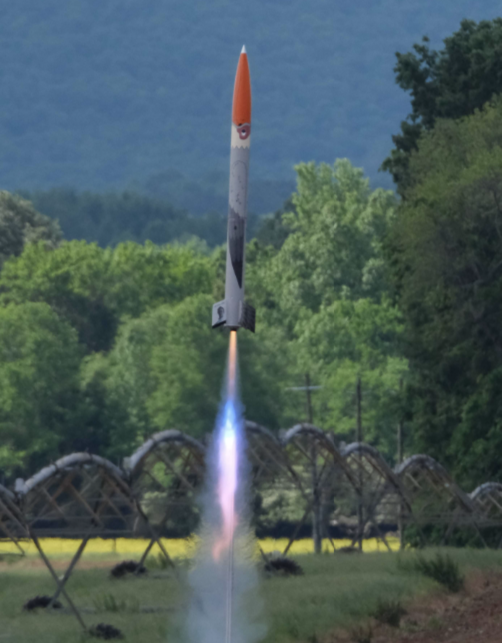
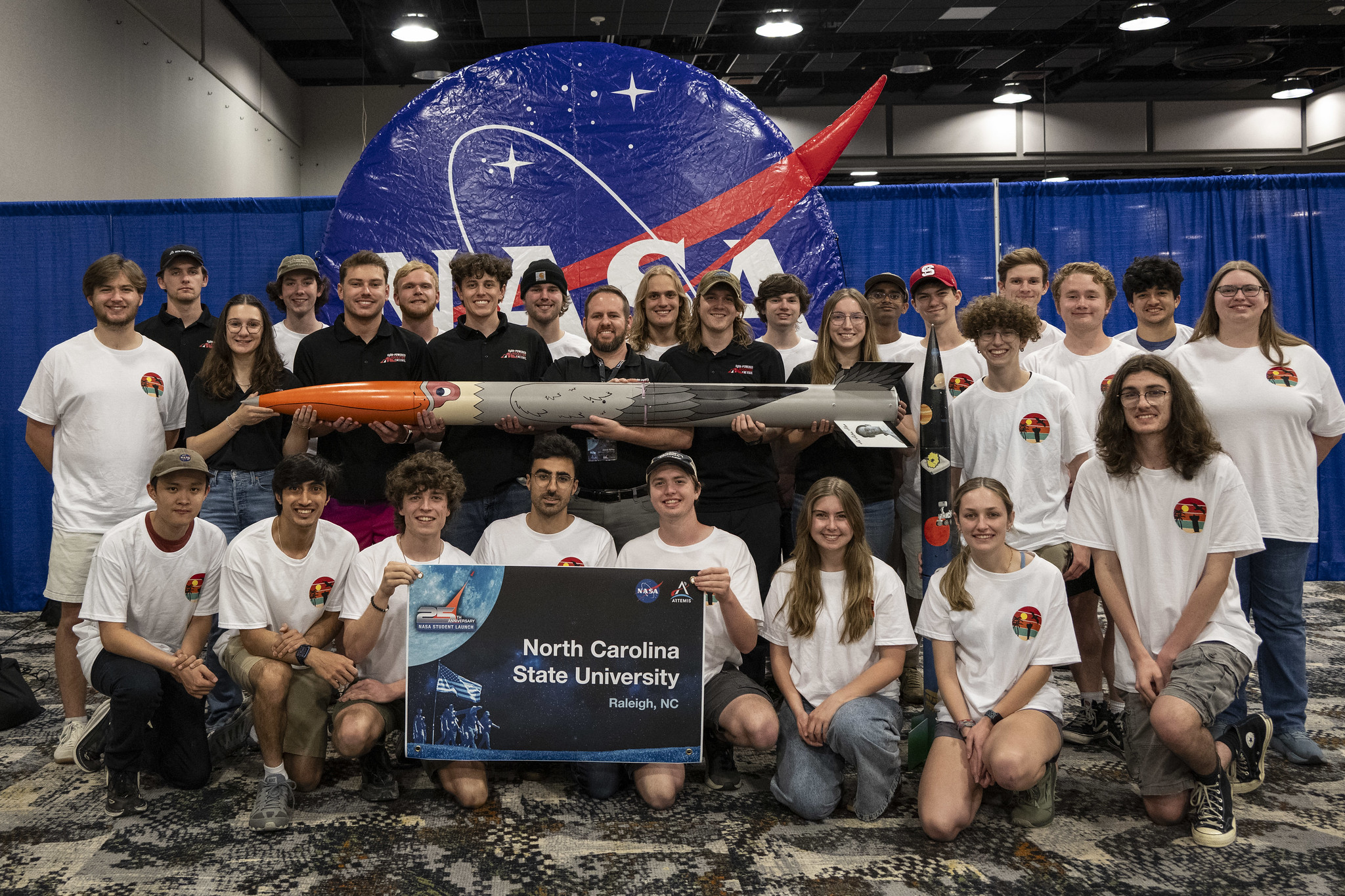
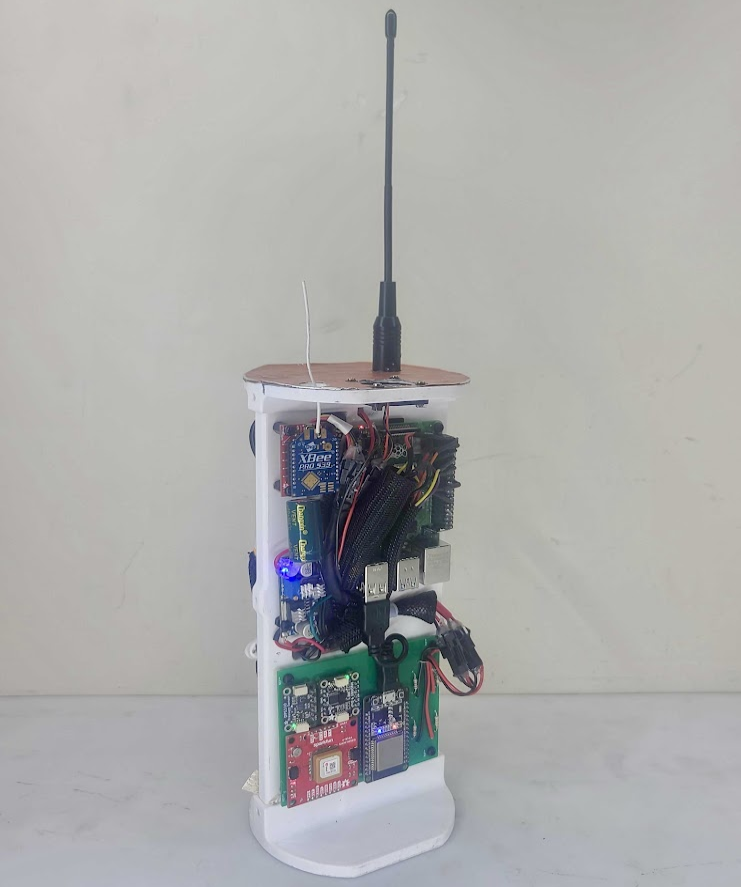
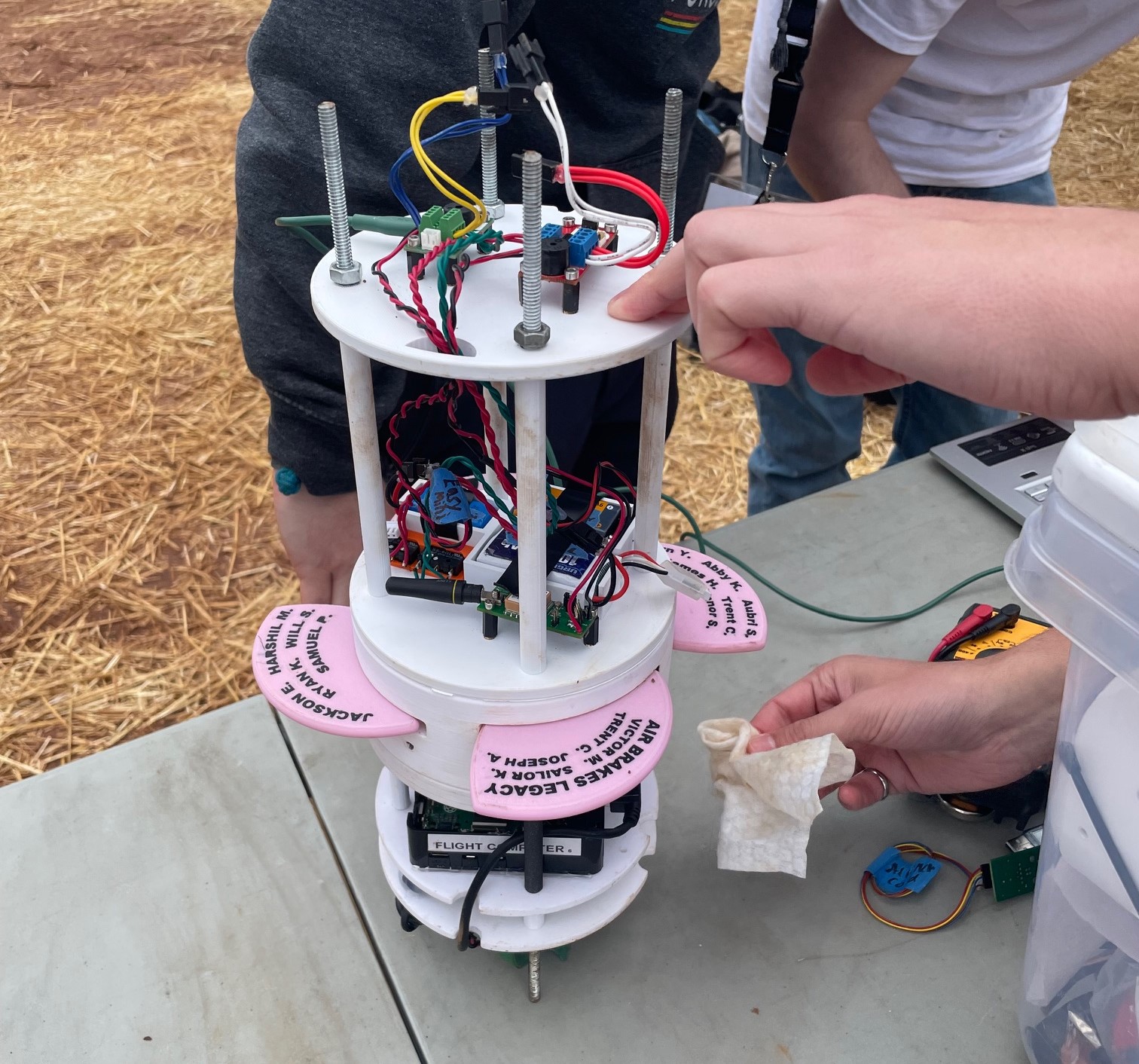
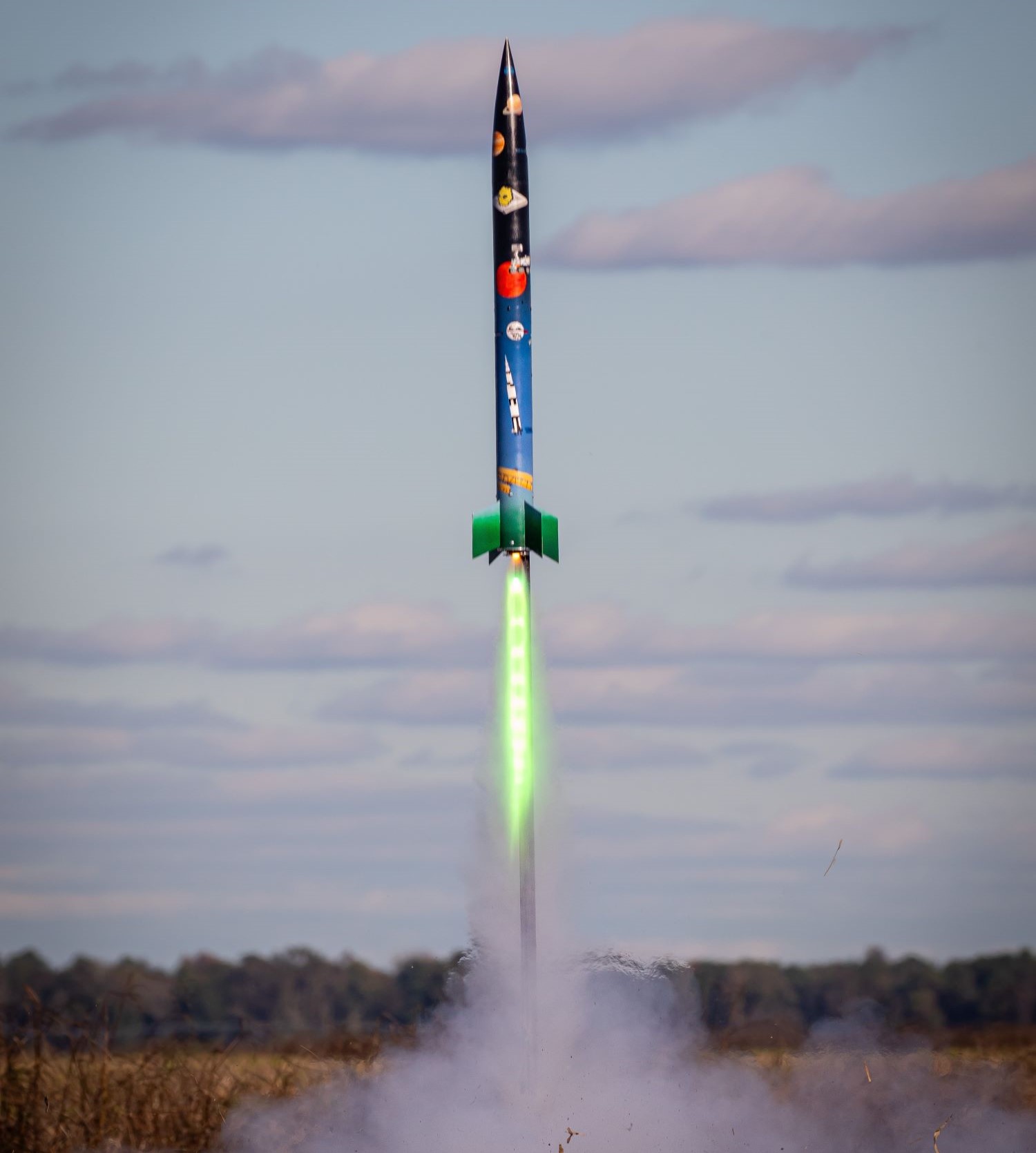
The 2025 Payload challenge consisted of recording and calculating rocket flight parameters, and upon the safe landing of “STEMnauts”, relaying those parameters to a ground station via APRS. Pictured in the bottom middle is the club’s first modern airbrakes system, capable of taking ~600ft off of apogee. Our payload WARHEAD, pictured in the bottom left, placed 2nd in the payload challenge, and our team placed 2nd overall.
Pictured on the bottom right is the 2024-2025 subscale rocket, Genesis. It was flown twice on the same day to provide more testing opportunities for our Airbrakes and has been reflown since to aid in the development of Project FIRM.
2024 – Shake N’ Bake
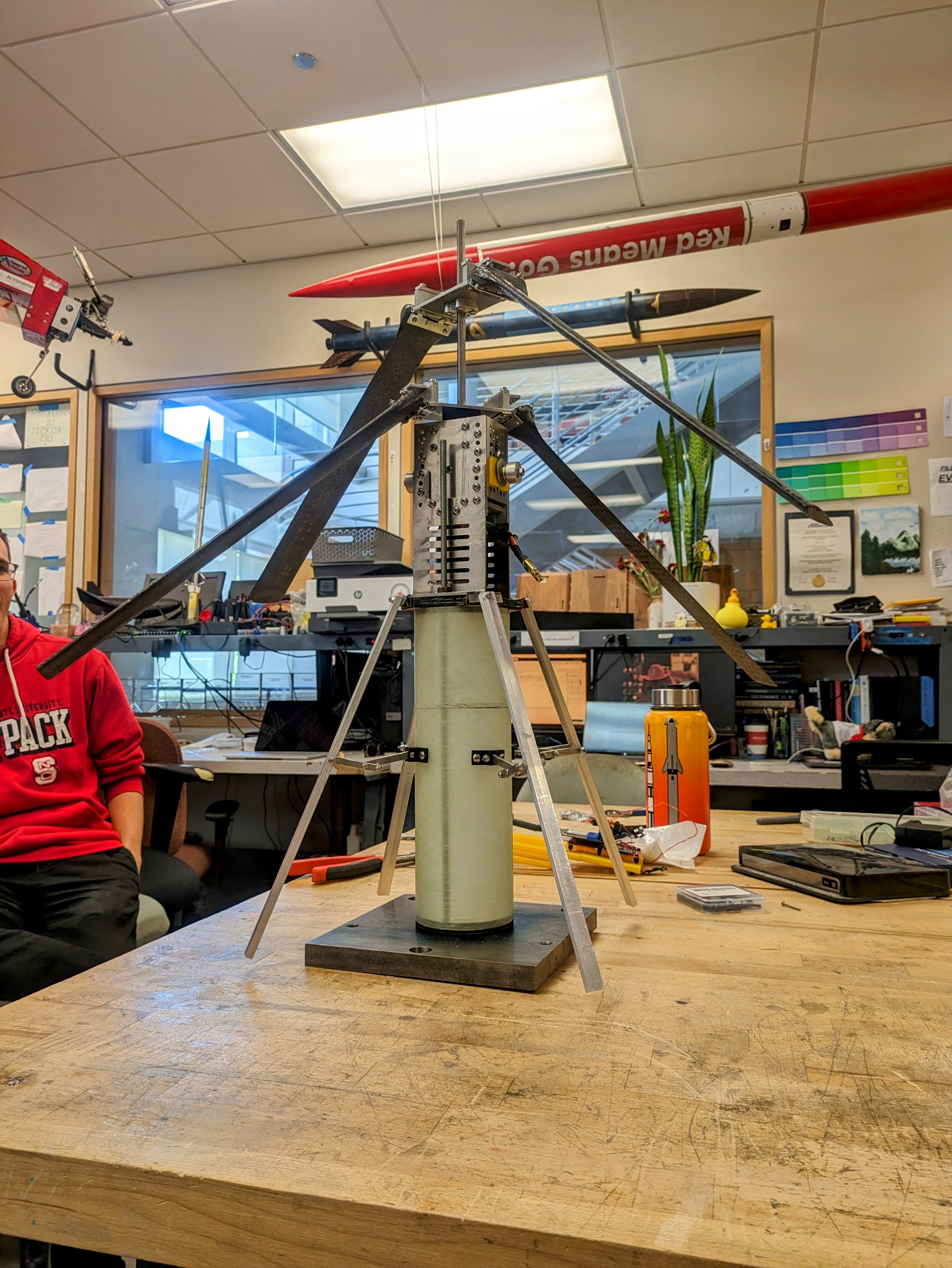

The 2024 payload challenge was to deploy a lander during descent that could land safely without the use of parachutes. Despite not being able to deploy the payload in Huntsville due to a ESC failure, the team placed fifth overall.
2023 – I Don’t Care What the Rocket is Named, Just Pick Something (IDCWTRIN,JPS)
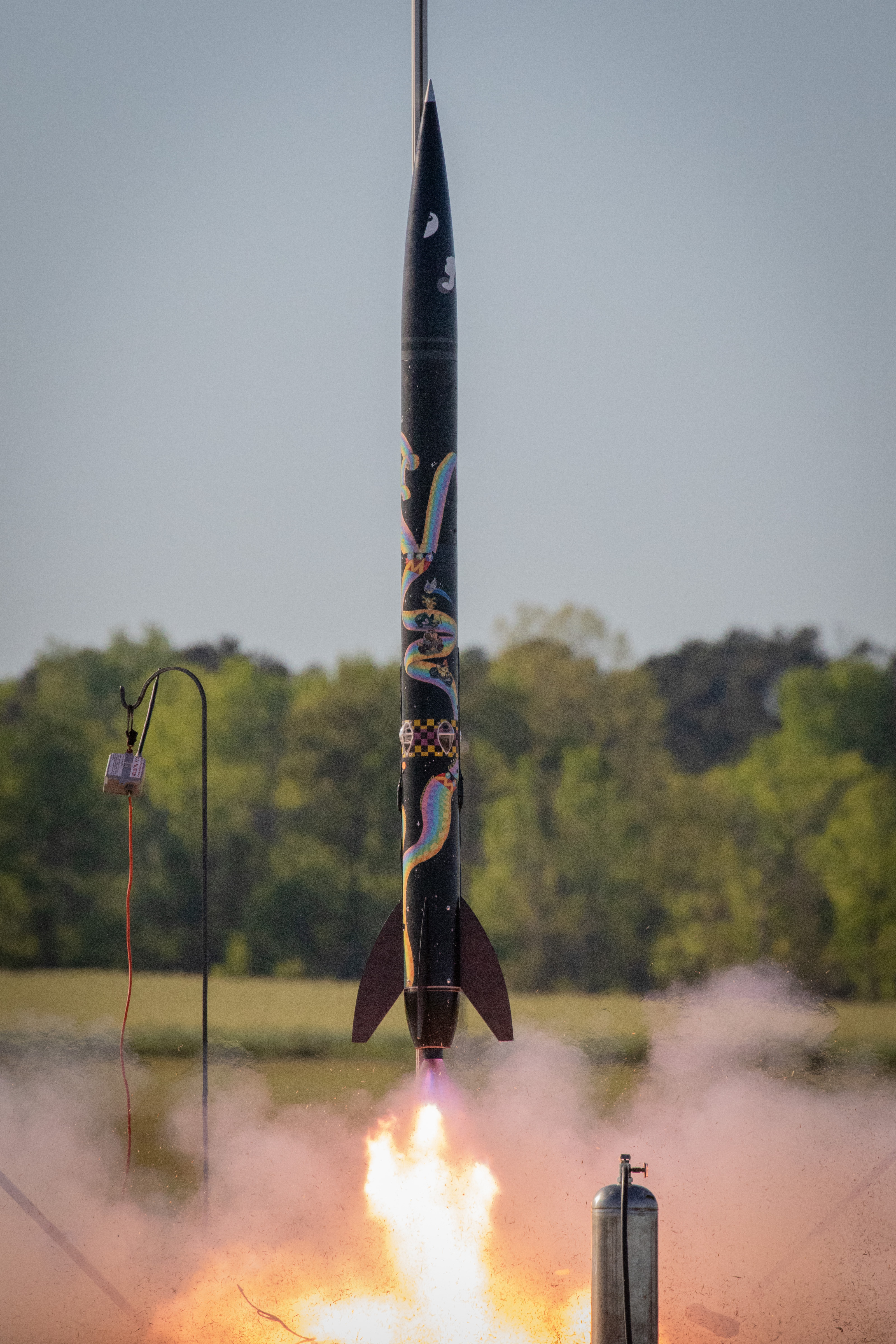
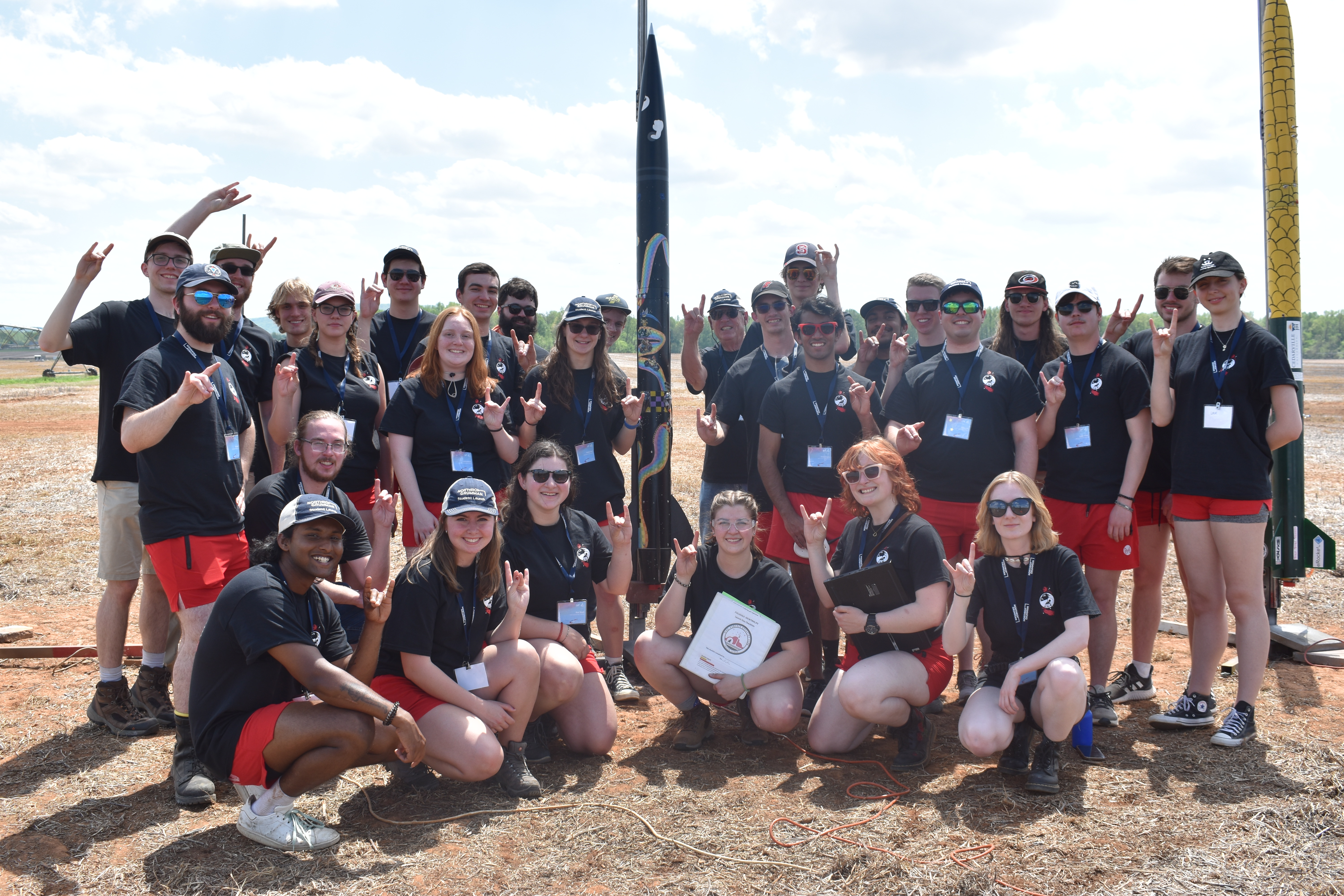
The 2023 payload challenge was to receive radio commands to direct a camera to rotate and take photos after landing. The Rainbow Road-themed full-scale won the Best-Looking Rocket award.
2022 – Catastrophe
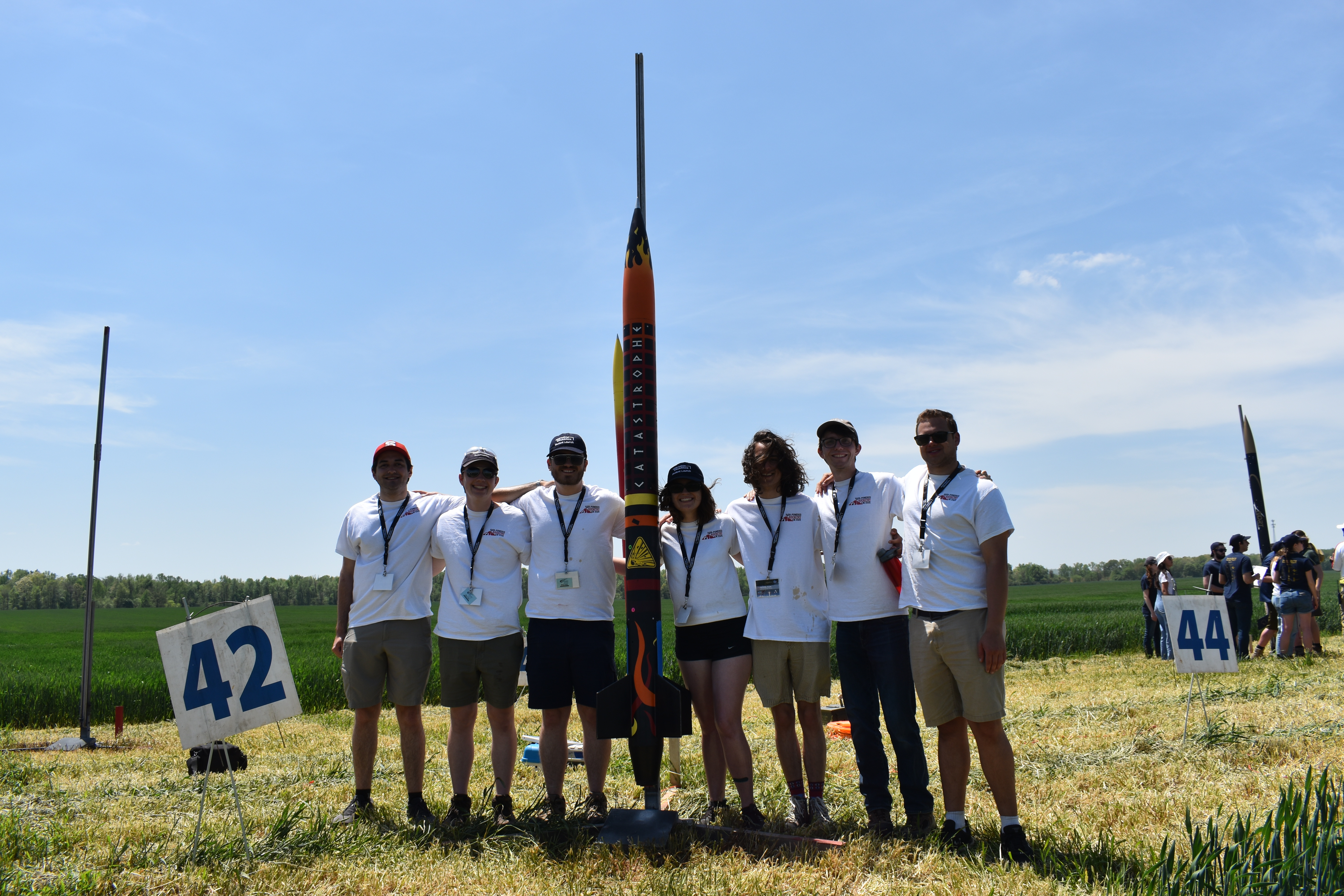

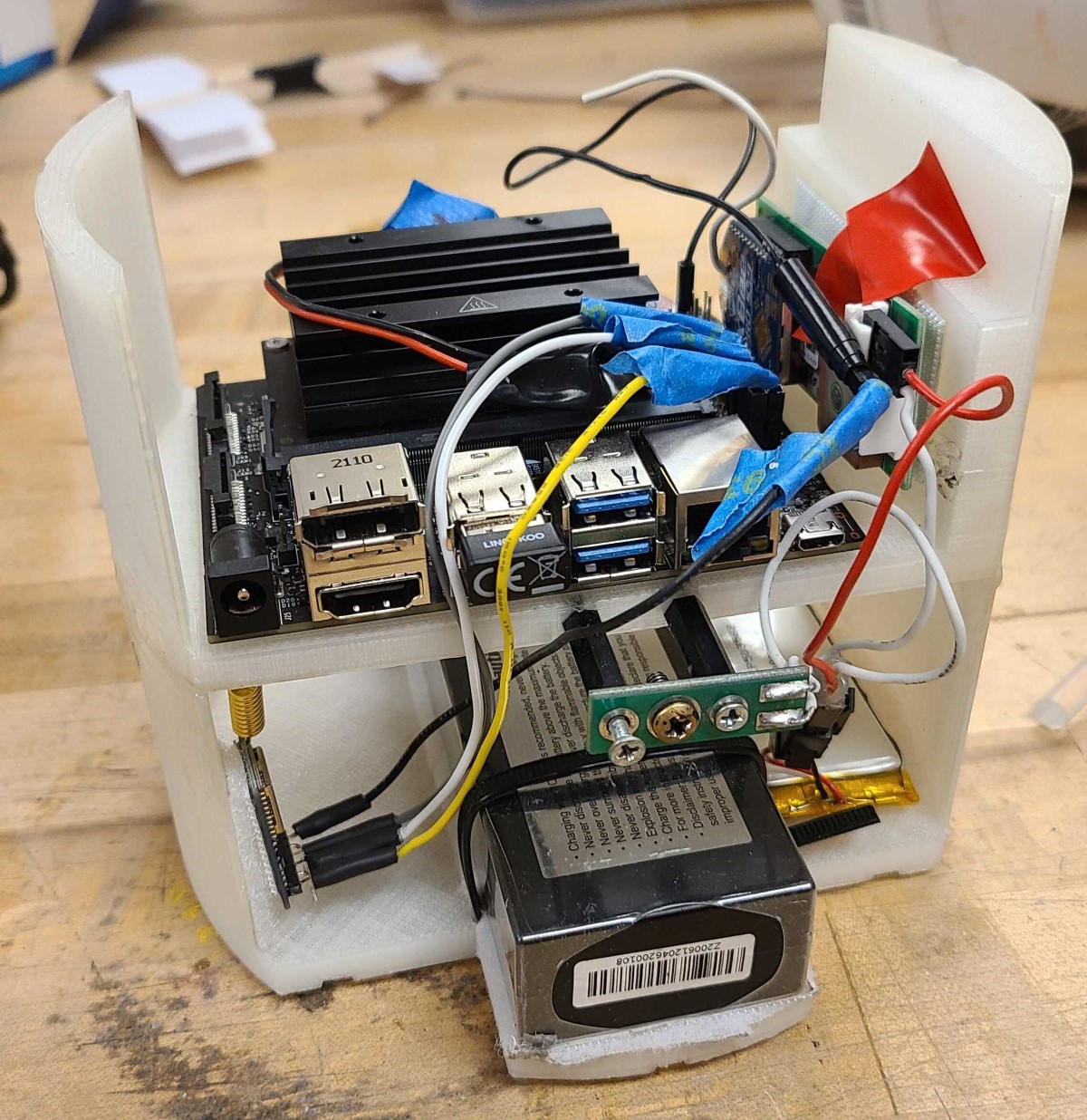
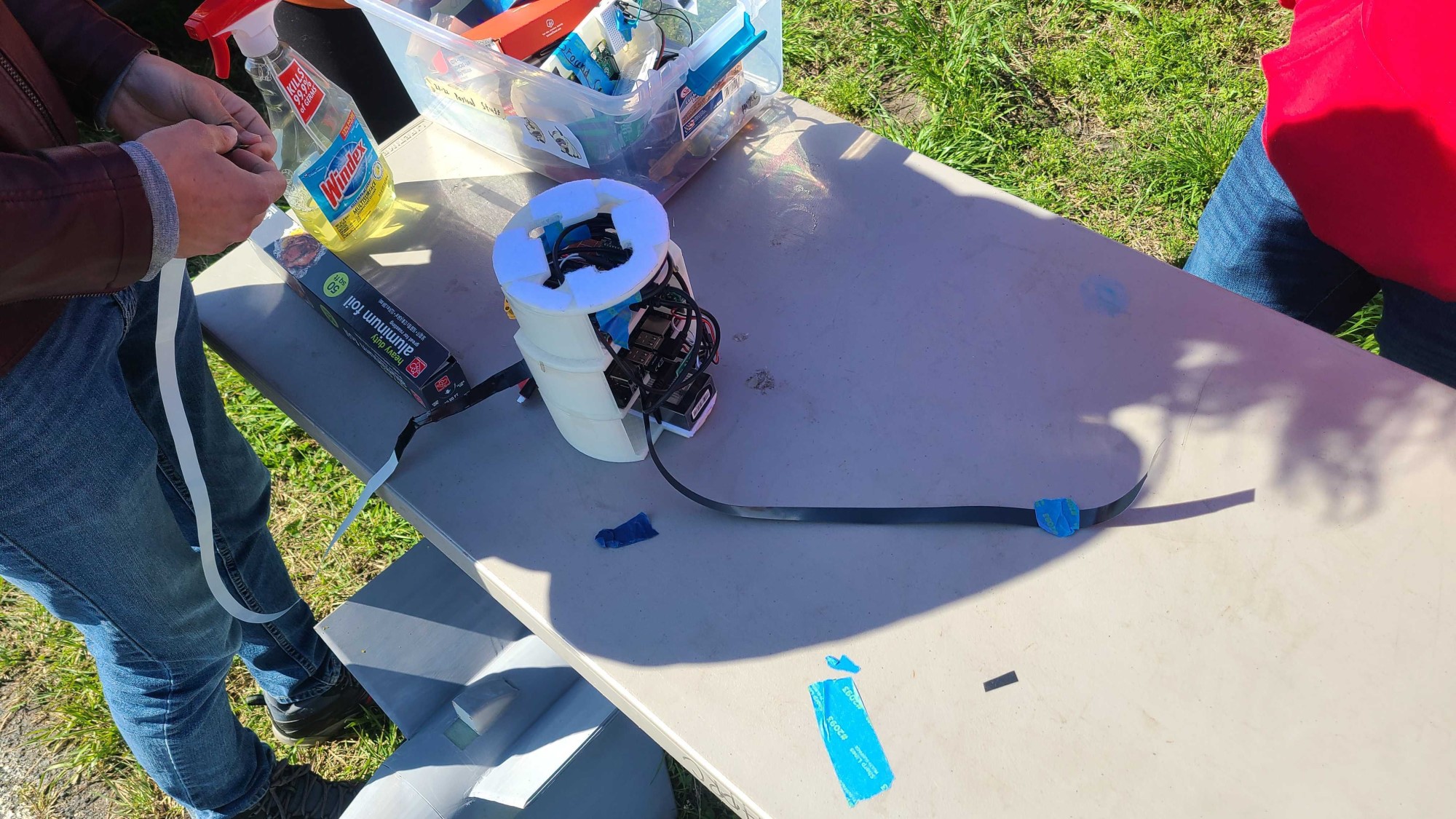
The 2022 payload challenge was to estimate the rocket’s landing location without a GPS or magnetometer. Our payloads, MOMO and APPA (we only ended up launching APPA) achieved this by fusing IMU data, barometer data, and computer vision. This was the first in-person competitive launch since 2019.
2021 – 81.5
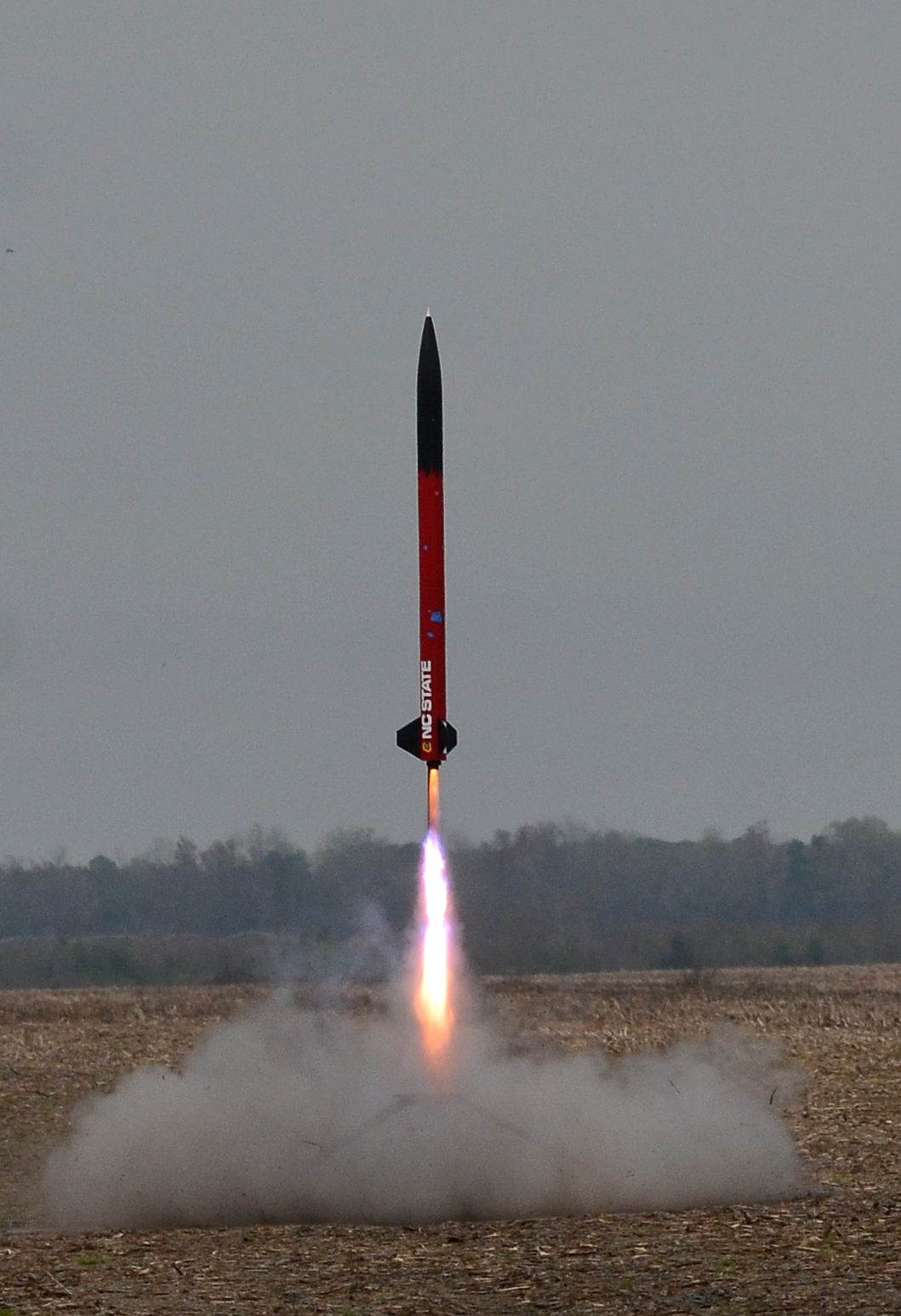
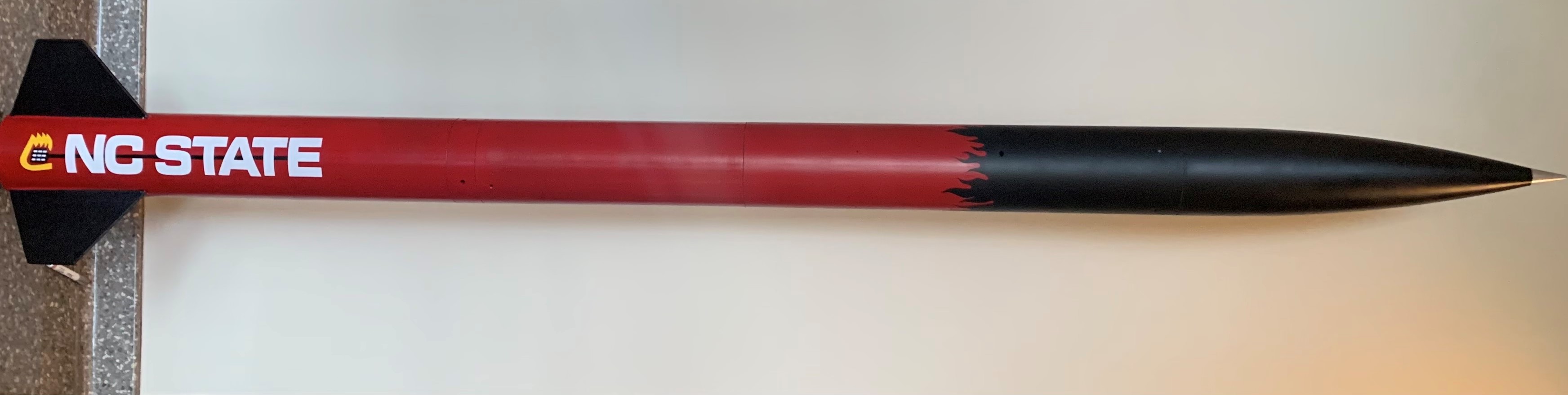
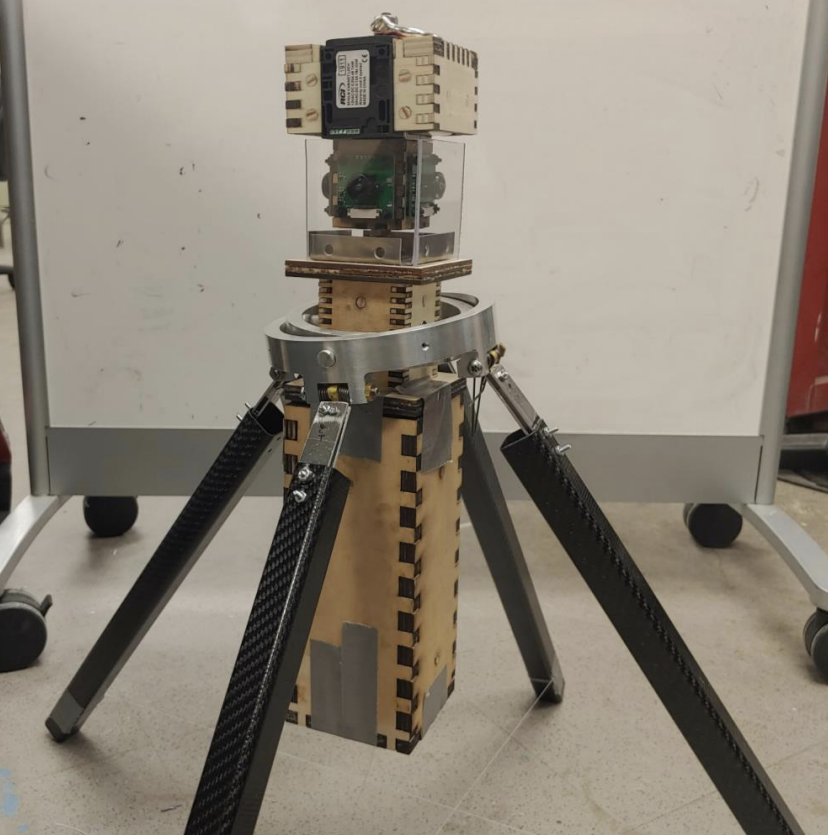
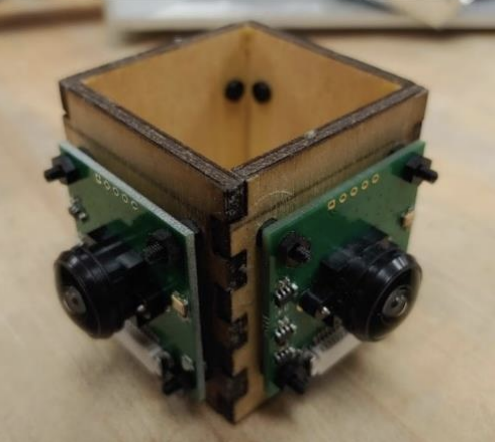
This rocket was designed and fabricated entirely during the COVID-19 pandemic. The 2021 payload challenge was deploy a lander during the rocket’s descent that took a level panoramic photo of the landing site. Our payload LOPSIDED-POS featured Four Fisheye Raspberry Pi Camera modules that it leveled using gyroscopic rings.
2020 – Dream Crusher
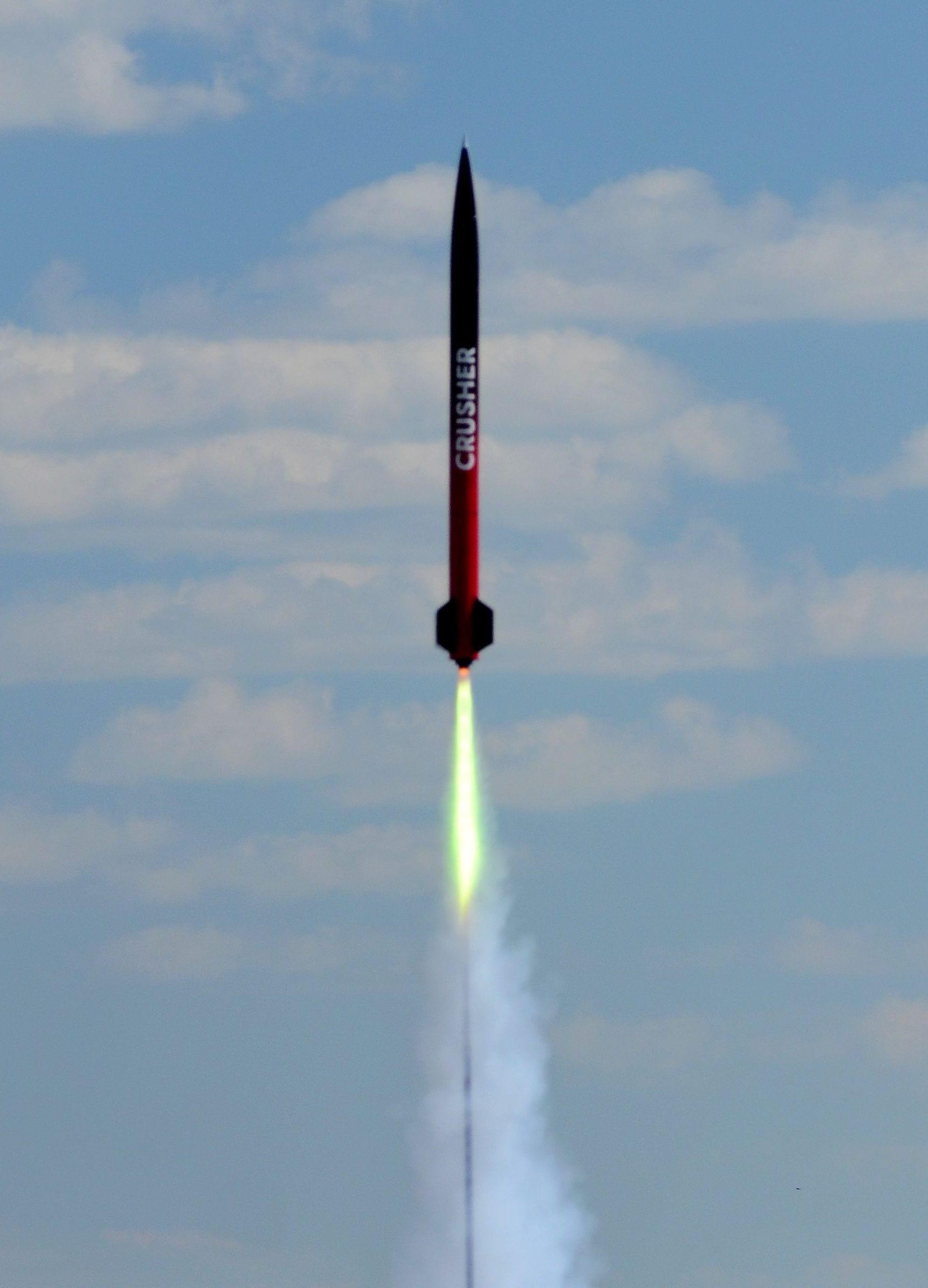
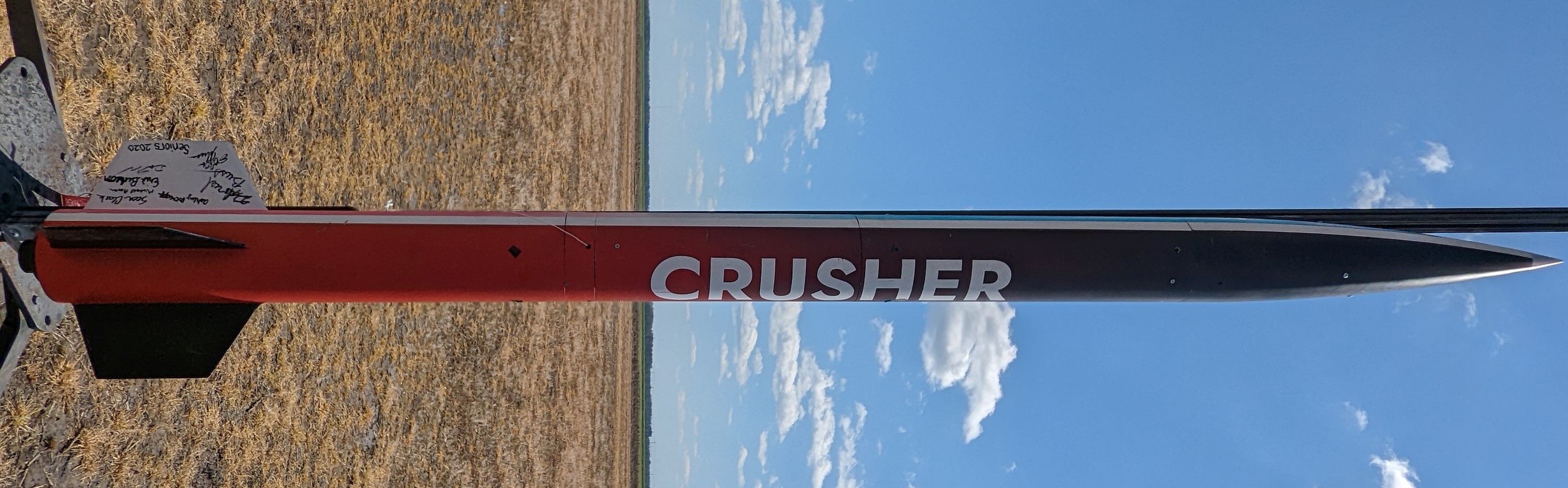
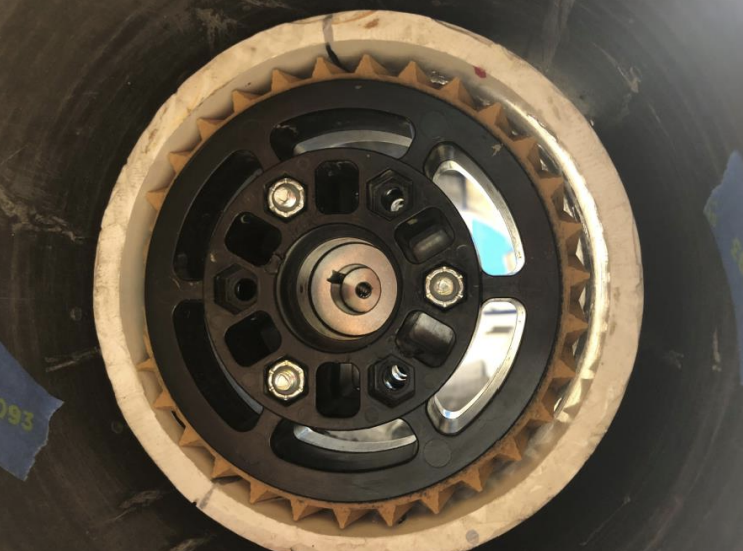
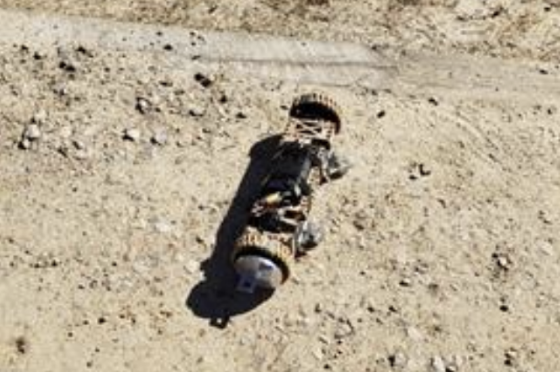
The 2020 payload challenge was to deliver a small rover to collect “planetary ice” from the ground. Our rover, named Burrito, ejected from the rocket after it landed and was able to successfully collect navigate different terrains.
During our FRR testing launch, our rocket landed in an irrigation ditch, so in order to avoid water damage we soaked Burrito in rice. Due to COVID-19, this rocket didn’t fly during competition in Huntsville. The rocket placed fifth overall in the competition despite the pandemic. Dream Crusher was relaunched spring 2022 as part of WolfWorks Experimental.
2019 – No Promises
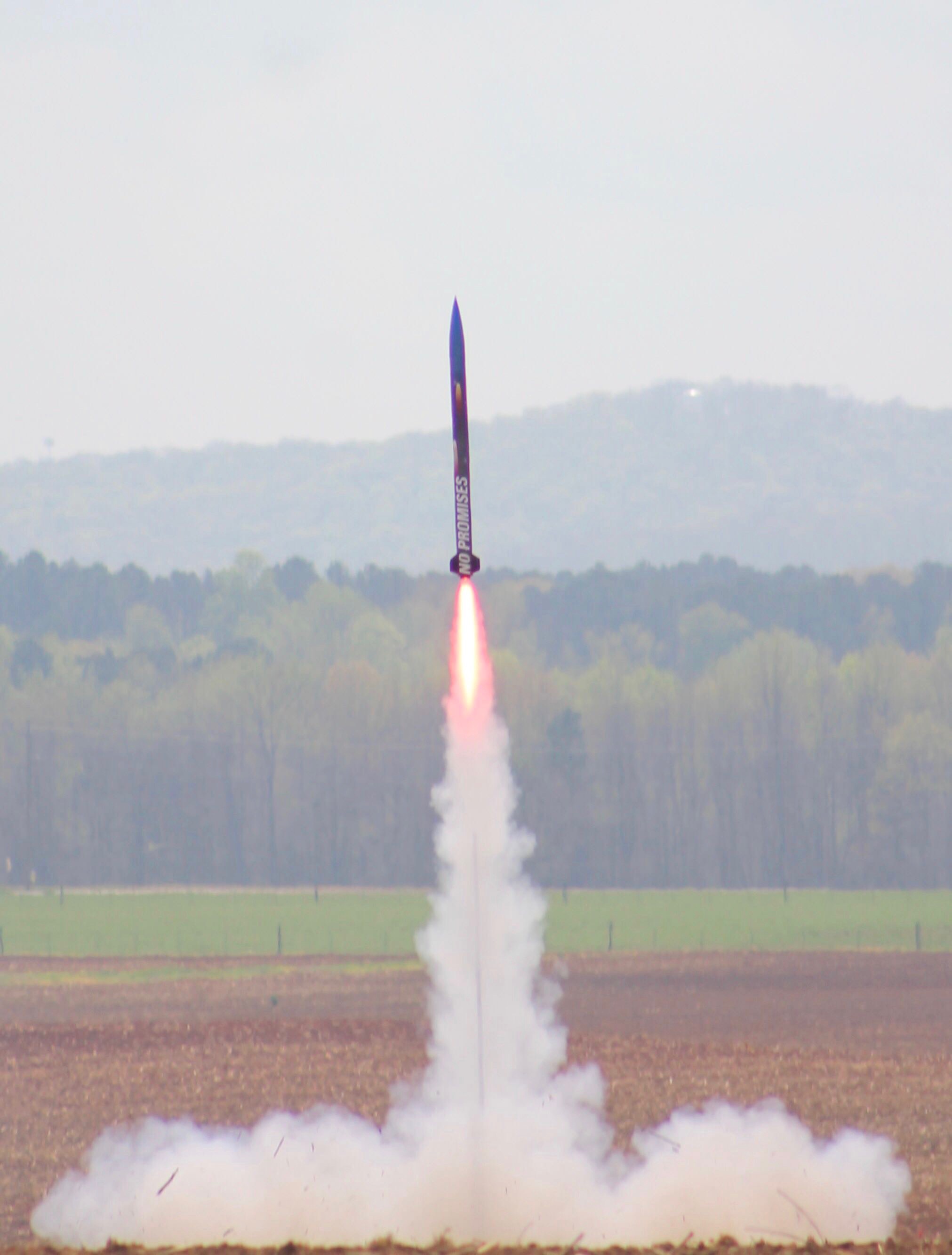
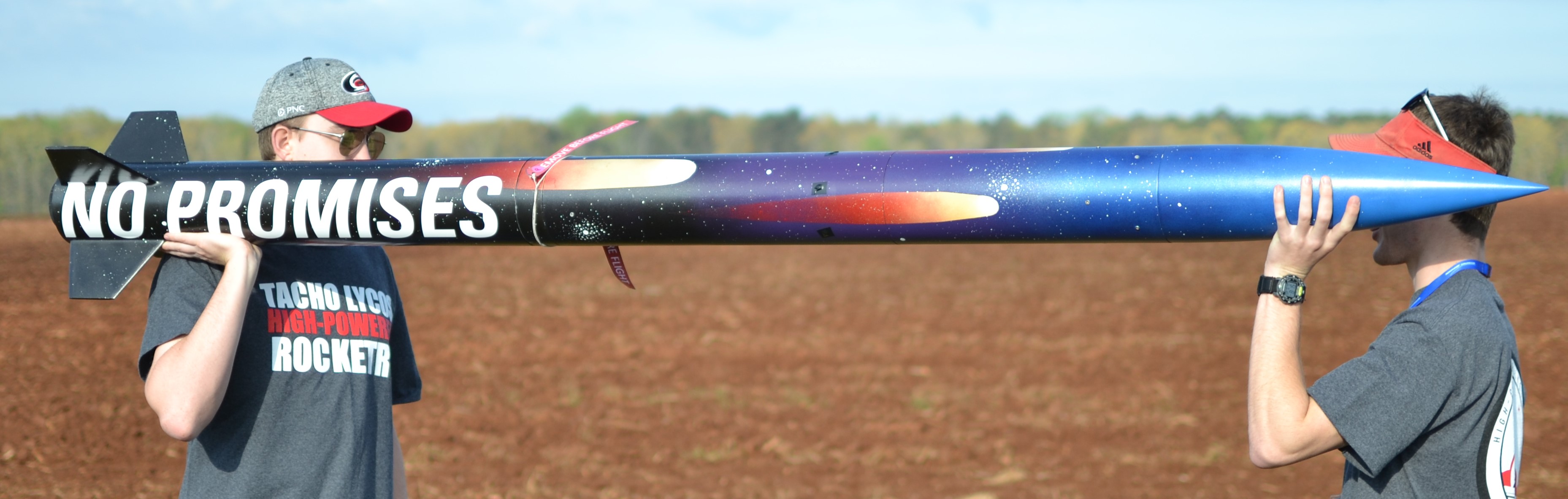
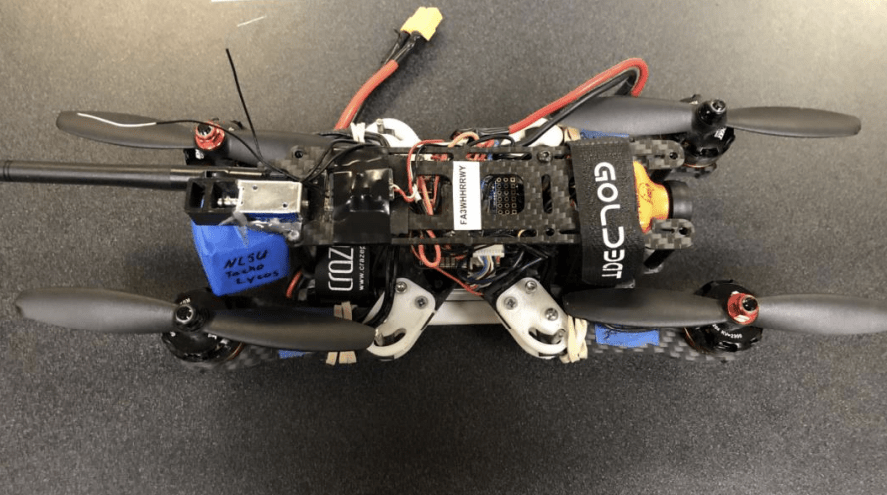
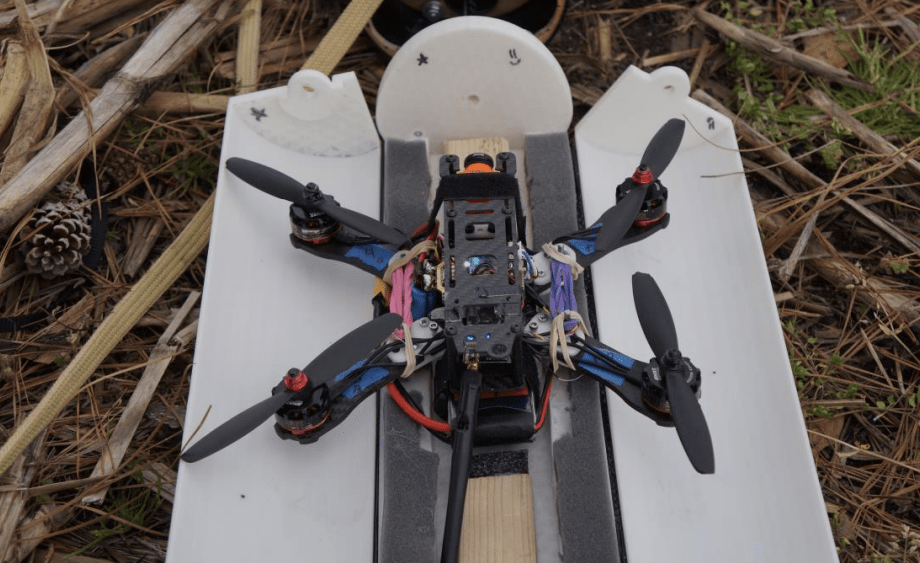
The 2019 payload challenge was to deploy a drone (UAV) that deployed from the rocket after landing, flew, and deployed a navigation beacon at a designated area. This was one the first years that we really started to use 3d prints for substantial parts of the avionics/payload. Also we won the altitude award, being only 12 feet away from predicted apogee.
2018 – FERV (Flat Earth Research Vehicle)

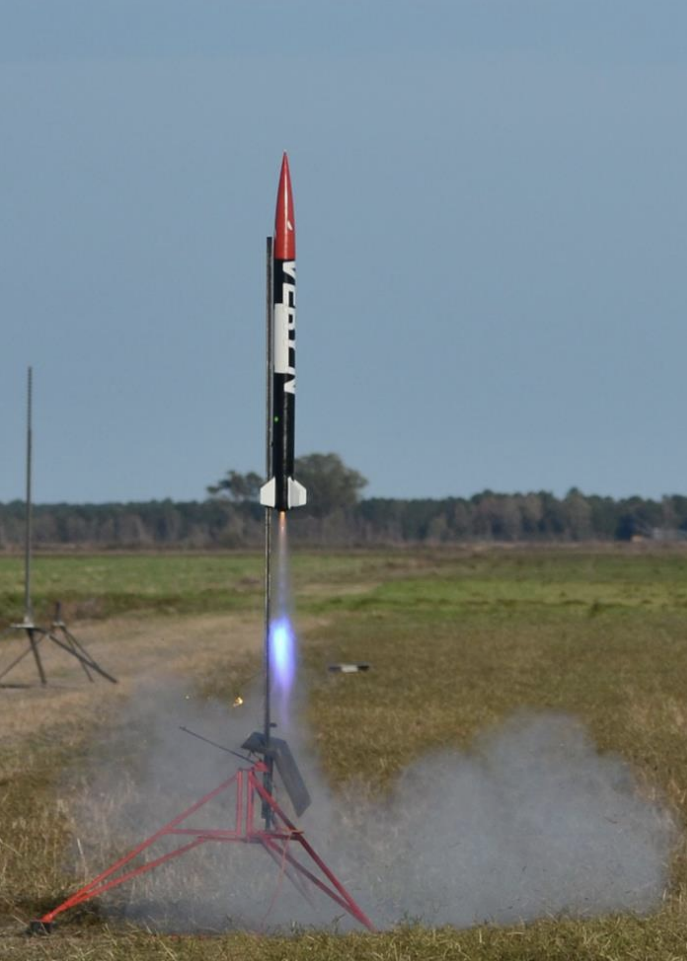
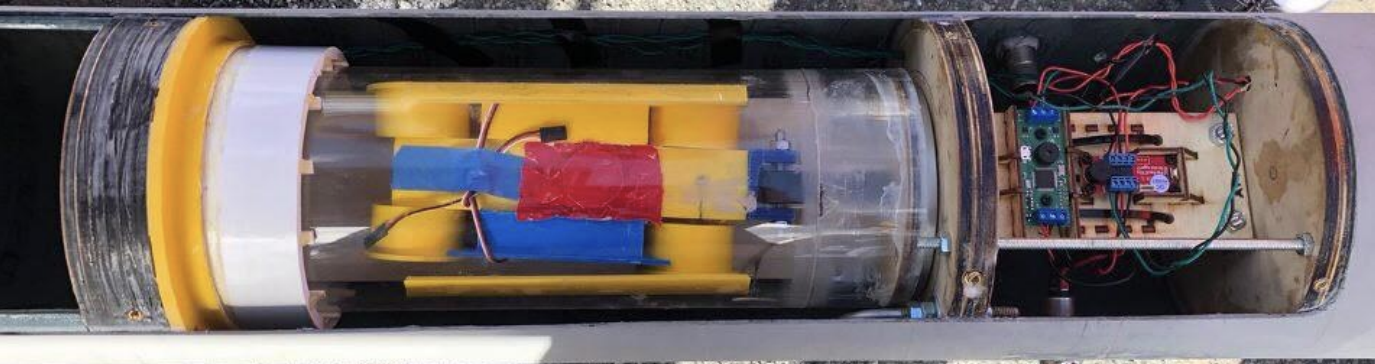
Launched twice in one weekend. On the second launch landed in a ditch, destroying the structural integrity of the bluetube air-frame. Pictured in the bottom left is the subscale, Very Nuts II. Pictured in the bottom right is the payload, a rover that was deployed from a panel in the airframe, autonomously drive 5 ft laterally, and then deploy a set of foldable solar panels after reaching its final destination.
2017 – Vesuvius
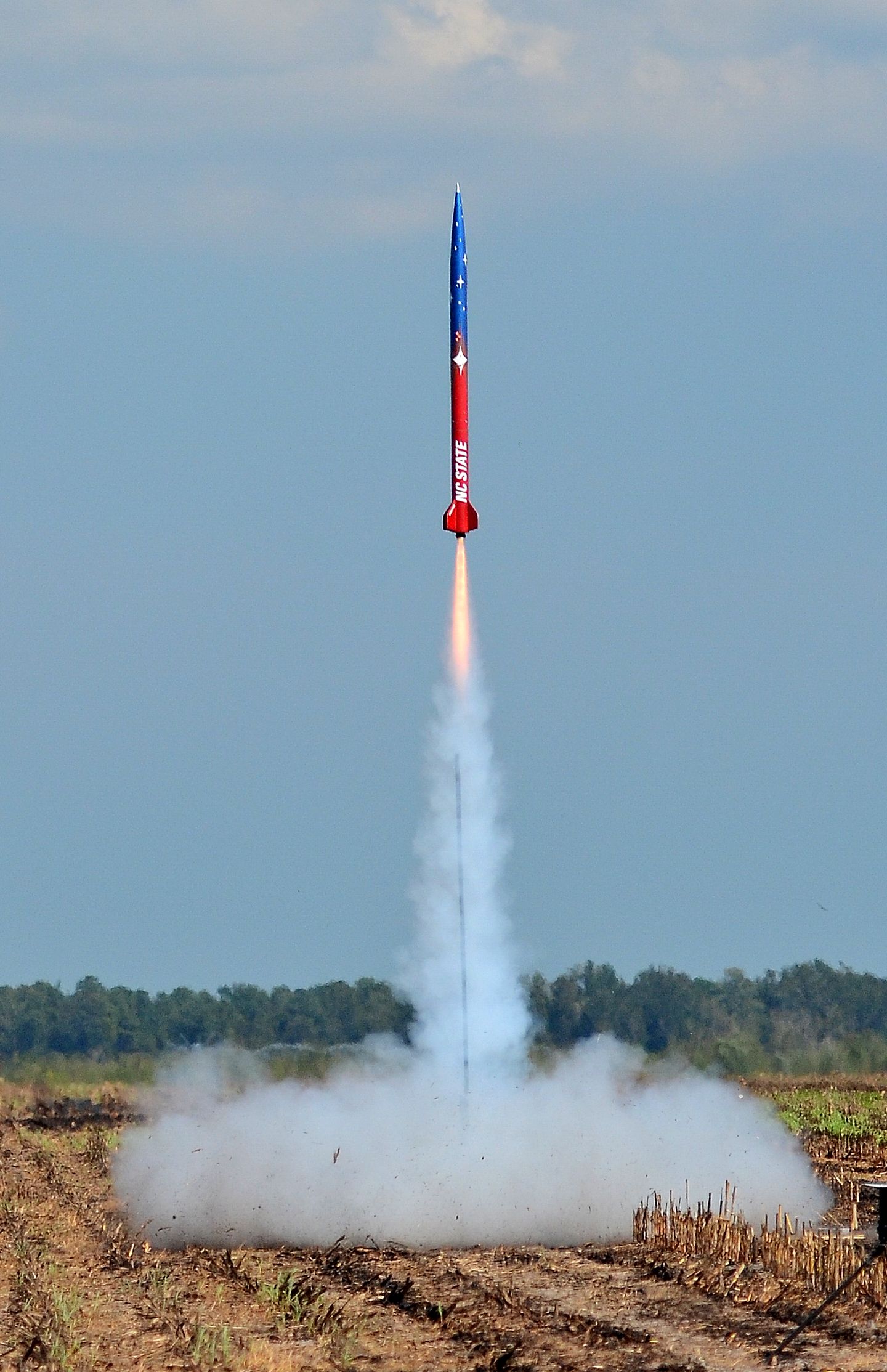
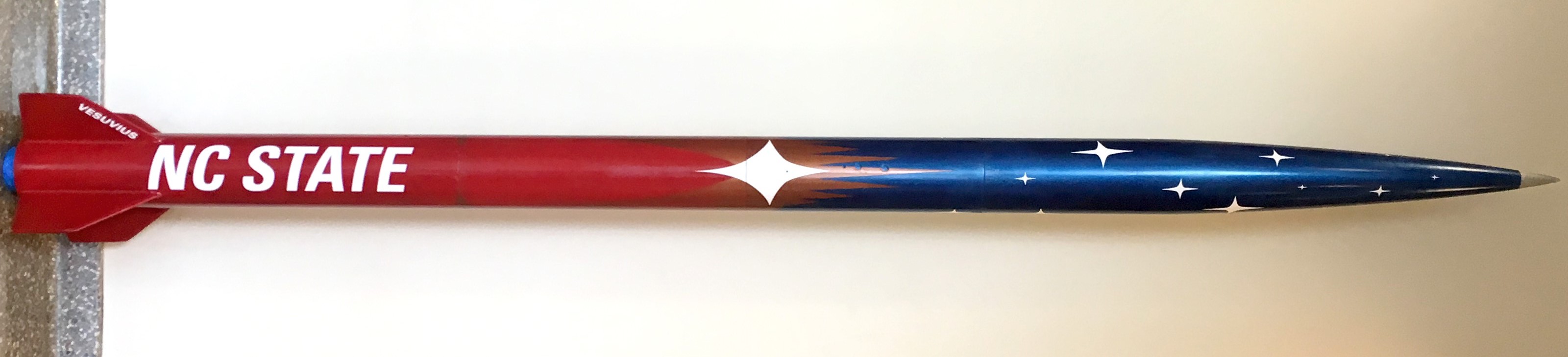
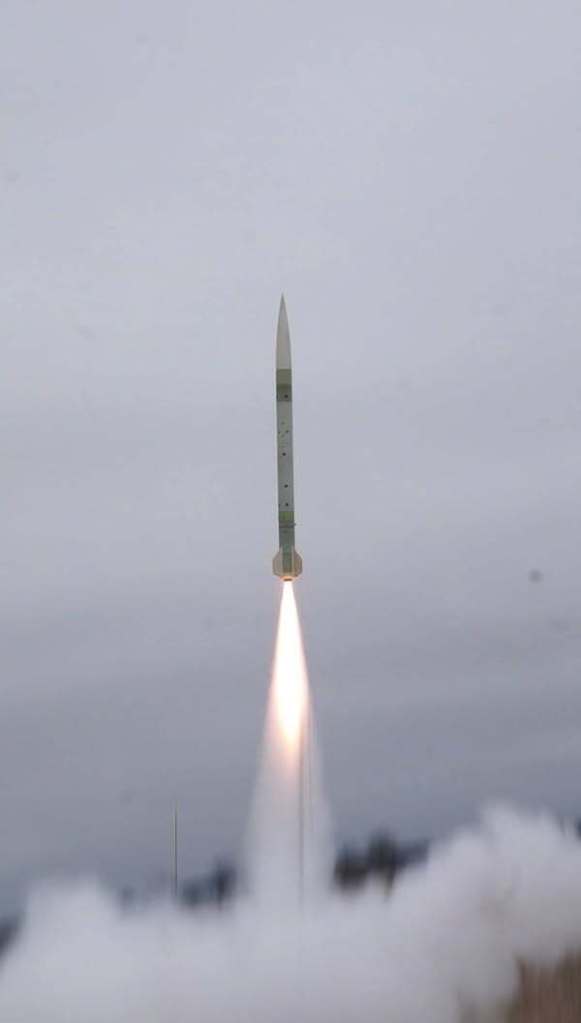
Deployed a lander payload from inside of the rocket at apogee. It used computer vision to detect ground targets while still in the air. Pictured on the right is the subscale rocket for this year.
2016 – Penumbra

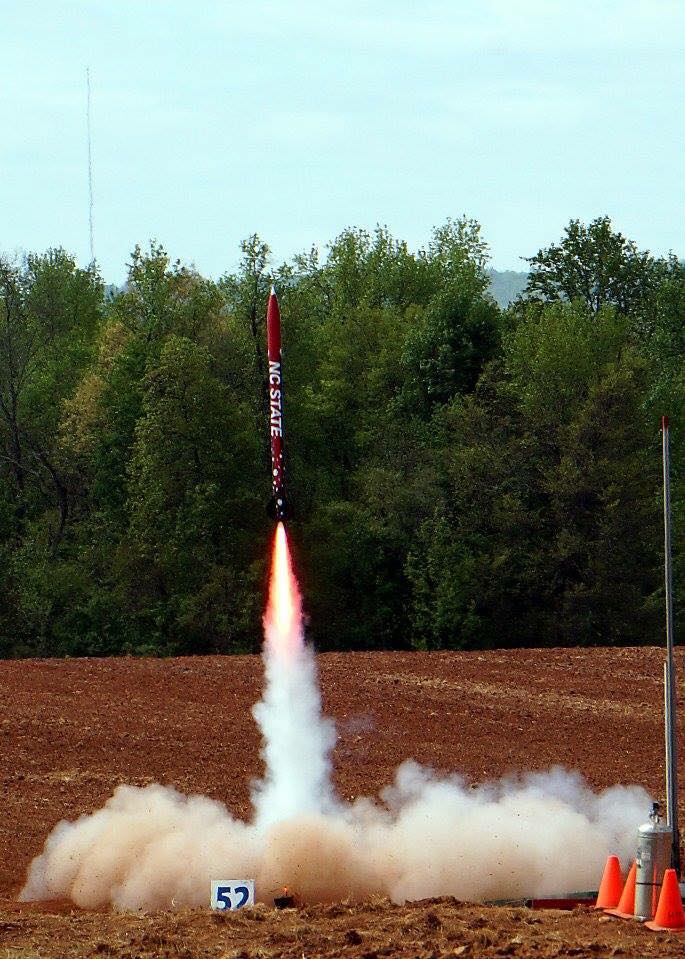
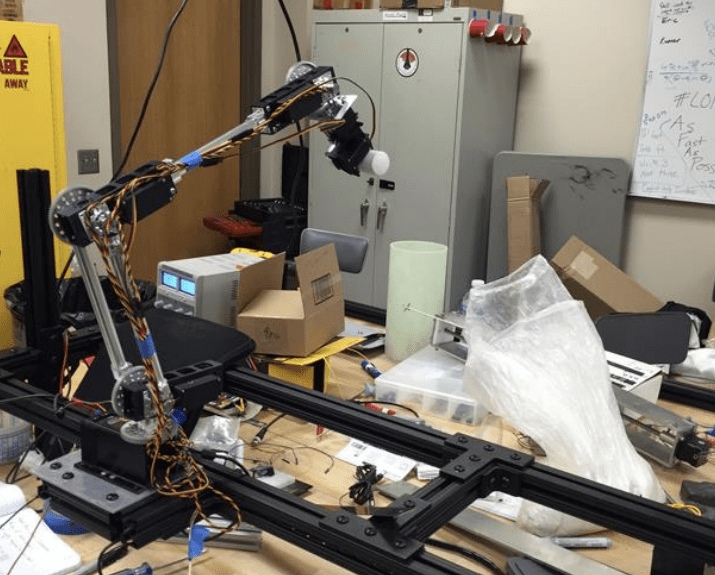
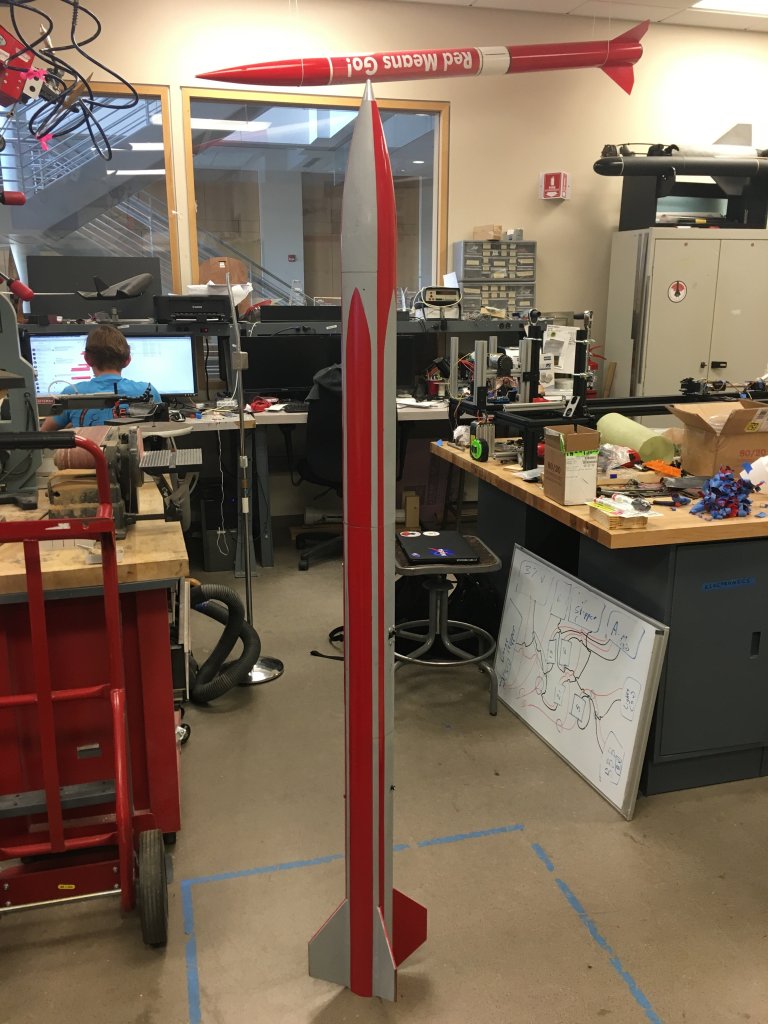
This rocket featured our team’s first attempt at airbrakes, an effort not revived until several years later. Additionally, the payload featured a robotic arm for picking up samples stored behind a hinged panel in the rocket’s airframe. The rocket featured on the bottom right was the subscale for this year.
2015 – Lobo Fuego
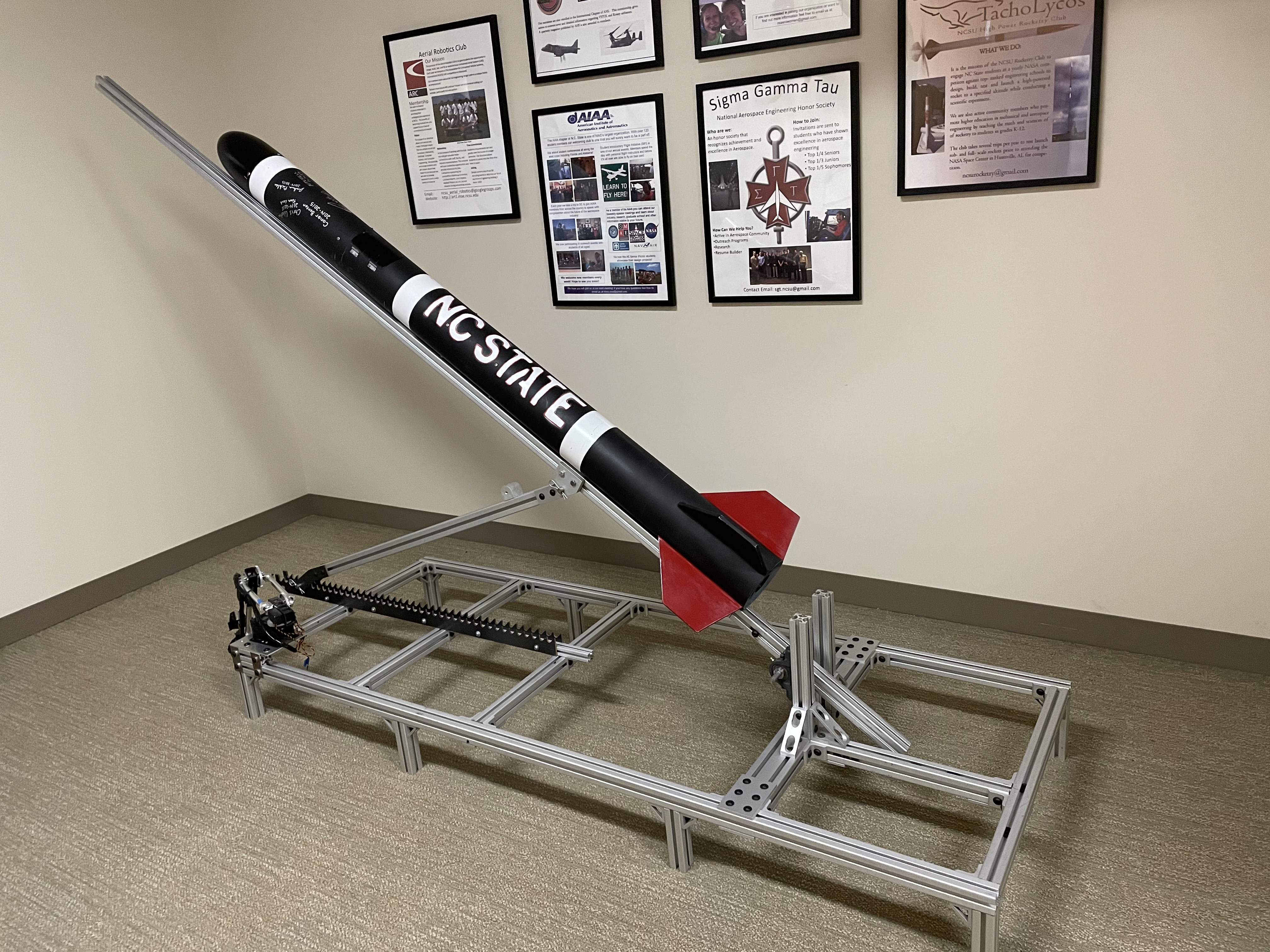
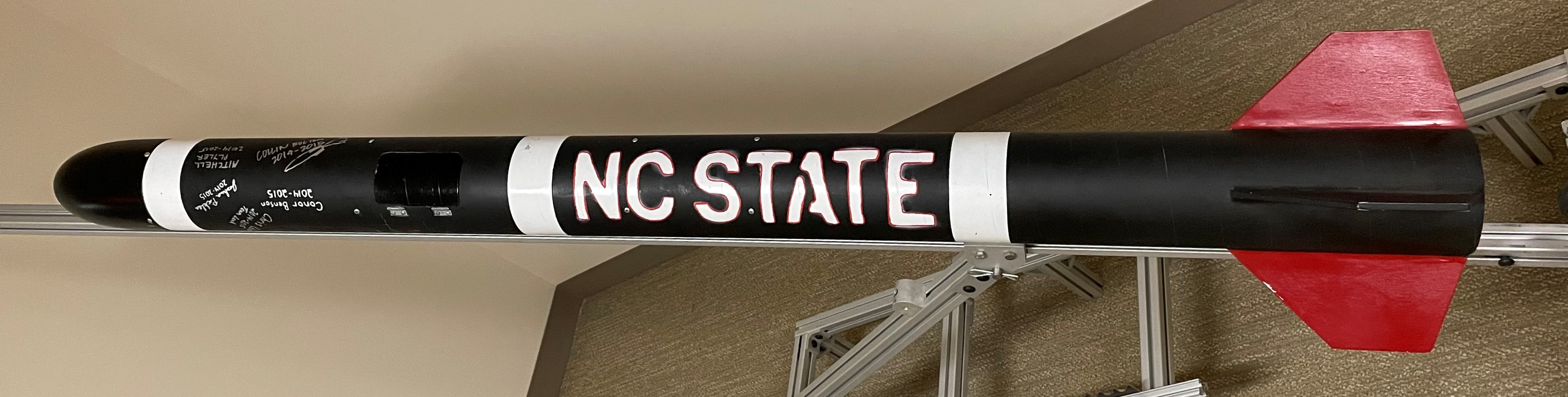
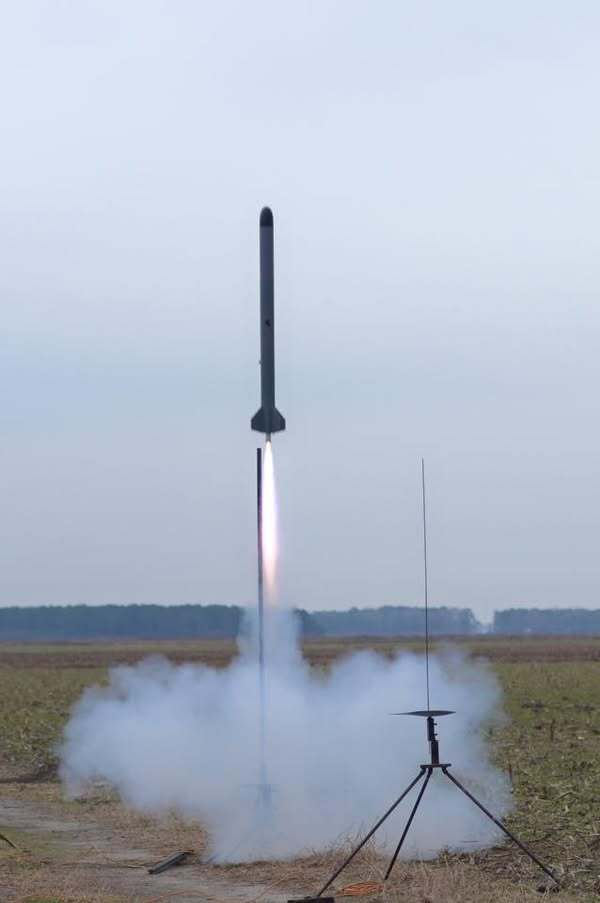
Won first place for NASA Student Launch and Centennial Challenges with the Mars Ascent Vehicle Centennial Challenge. Pictured on the right was the subscale rocket for this year.
2014 – VAR (Very Aggressive Rocket)
Suffered CATO (catastrophe at take off) due to a hairline crack in motor casing.
2013 – Ad Astra
Launch vehicle was never successful.
2012 – Prodigious

Carbon fiber rocket. Flew to 9,323 feet in fall 2014.
2011 – No Name
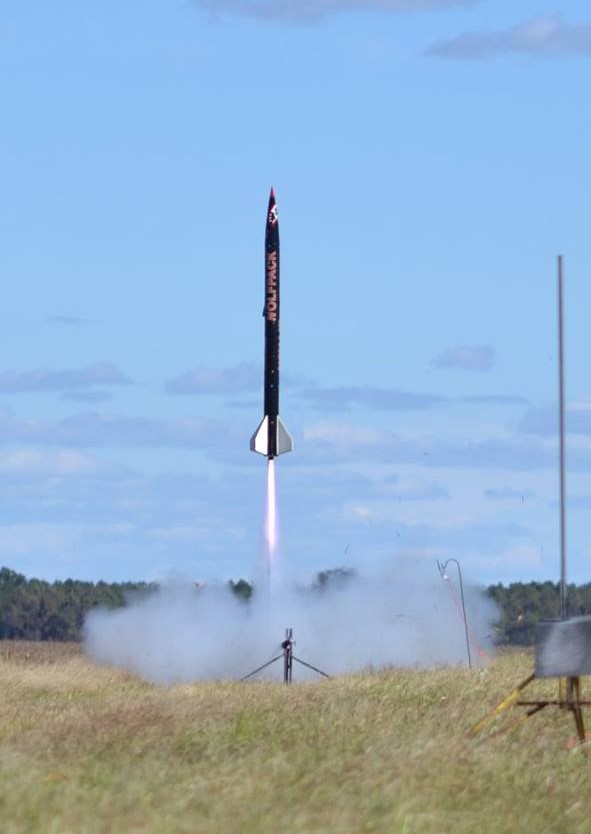
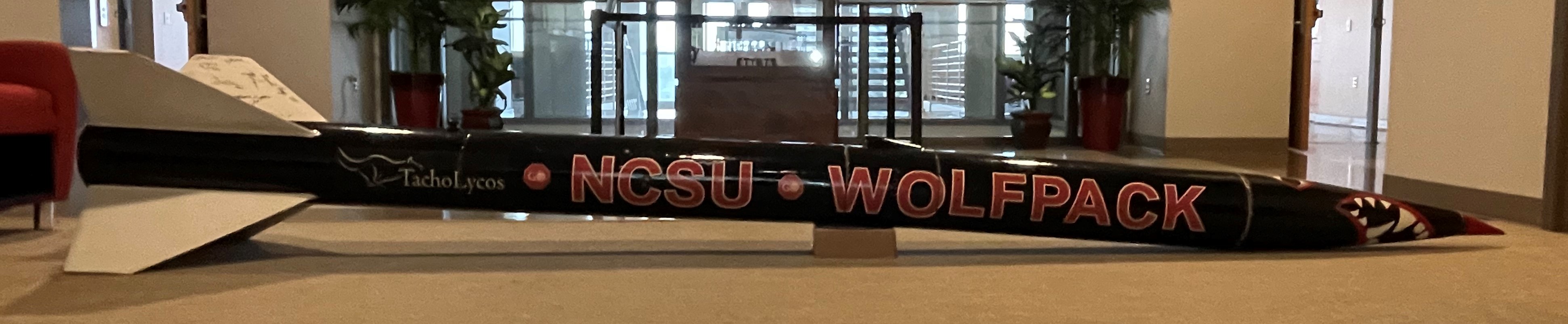
Largest rocket in club history, directly caused NASA to establish new sizing requirements for Student Launch rockets. Re-flew in fall 2015. Now it towers over the bottom floor in EB3.
2010 – Tacho Grande

First time the club competed in NASA student launch. Won the Rookie Award and Team Spirit Award. This rocket is still hung in our lab!
 NCSU High-Powered Rocketry Club